Dog Person or Cat Person? Quick Signs to Spot
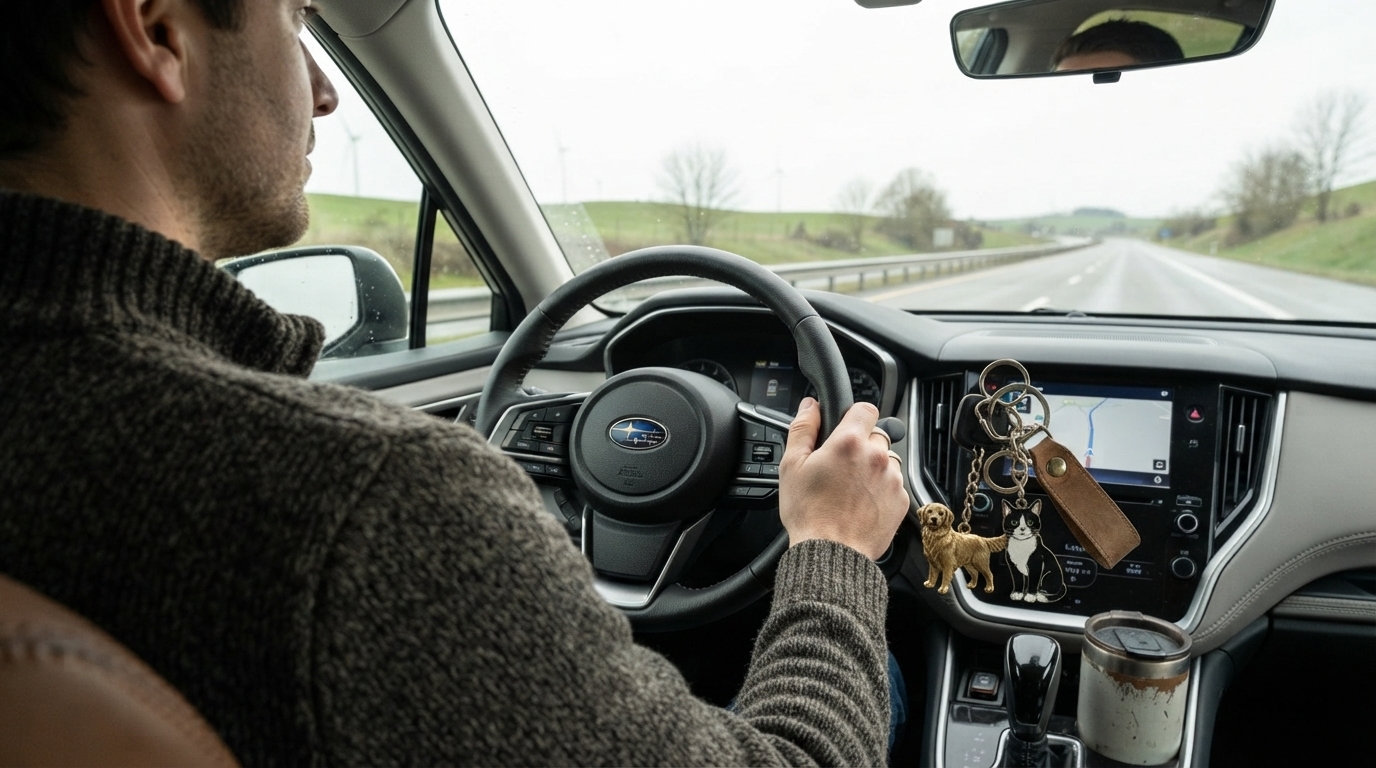
How to tell if someone is a dog or cat person?
Spotting whether someone leans “dog person” or “cat person” usually comes down to the little choices they make—how they talk about pets, what kind of interactions they enjoy, and what they value in a companion. Most people aren’t strictly one or the other, but a few patterns show up often.
Listen to how they describe the “ideal” pet
Dog people tend to emphasize loyalty, enthusiasm, and a buddy who’s always ready to go. Cat people often highlight independence, calm companionship, and an animal with a bit of mystery and personal space. If someone says they want a pet that “greets me at the door,” that’s a classic dog-leaning clue; if they say they like a pet that “does its own thing but hangs out,” that’s often cat-leaning.
Watch their comfort level with attention and noise
Dogs commonly bring higher-energy attention: following you around, asking to play, and reacting to every sound. People who enjoy that constant feedback loop may skew dog person. Those who prefer quieter moments—coexisting on the couch without always interacting—often skew cat person.
Notice what they do when an animal sets a boundary
Cat people are frequently more comfortable letting an animal come to them on its own timeline. Dog people may be more likely to initiate interaction and interpret friendliness as something you “earn” through play and engagement. If someone respects an animal’s “not right now” signal without taking it personally, that can be a cat-person tell.
Check their daily routine preferences
Someone who enjoys structured habits (walks, outings, active weekends) can be drawn to dogs. Someone who prefers flexibility—more spontaneous days at home with occasional bursts of play—may naturally align with cats.
For a deeper breakdown of behaviors, conversation cues, and quick tells, visit How to Tell If Someone Is a Dog or Cat Person.
FAQ
What does it mean if someone likes both cats and dogs?
It usually means they appreciate different companionship styles: the social, interactive side of dogs and the calmer, more independent vibe of cats. Many people are “both,” with a slight preference depending on lifestyle and home environment.










Leave a comment